 Luxury Wellness Thailand

It might seem strange to seek out more heat in one of the warmest capitals on earth. Yet some of the most memorable hours of a wellness trip to Thailand happen inside a small, fragrant steam room, breathing lemongrass and kaffir lime, before stepping out into a cool shower and an evening that feels slower than any in months.
Heat is one of humanity's oldest wellness rituals, from Finnish saunas to Japanese onsen to the herbal steam of Thai traditional medicine. And it turns out to be one of the most interesting areas of longevity research. Here is what you should know before you step in.
The Thai tradition: herbs, steam and compresses
Thai traditional wellness has long used heat and herbs together. You will meet them in two forms.
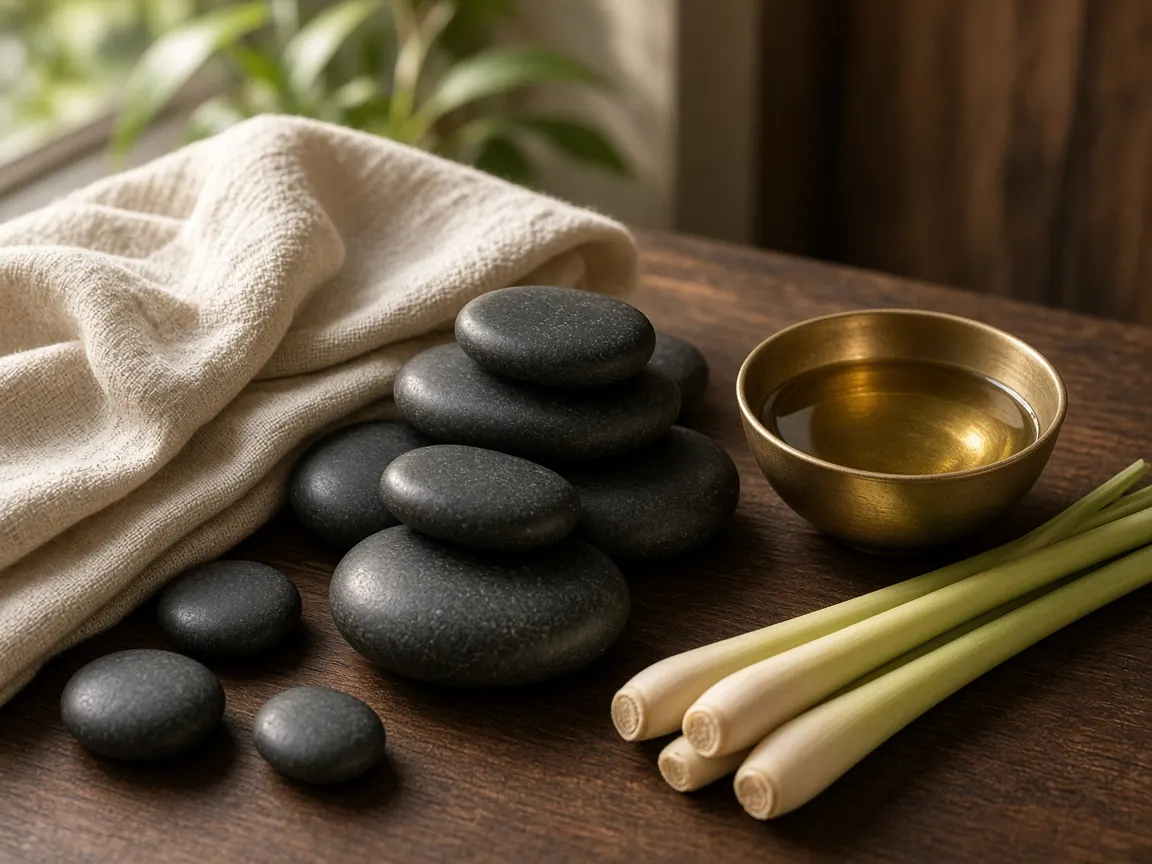
Herbal steam (ob samunprai): a steam room or tent where water is boiled with fresh herbs. Common ingredients include lemongrass, kaffir lime leaves and peel, turmeric, camphor and plai, a pungent relative of ginger. The scent is bright, citrus and clean.
Herbal compress (luk pra kob): muslin bundles of similar herbs, steamed and pressed along the body during or after a massage. Many spas pair the two: a short steam, a Thai massage, then the warm compress to finish.
These practices belong to the same tradition that gave the world Nuad Thai, the massage UNESCO recognised as intangible cultural heritage in 2019. Treat them as a cultural ritual first. The herbs smell wonderful and the experience is deeply calming. Claims about specific herbs "detoxifying" the body through the skin are not well supported, and we will not make them.
What is well studied is regular heat itself.
The Finnish study that changed the conversation
In 2015, Tanjaniina Laukkanen, Jari Laukkanen and colleagues published a study in JAMA Internal Medicine that followed 2,315 middle-aged men in eastern Finland for around twenty years.
They compared men by how often they used a sauna. Compared with men who used it once a week:
- Men who took a sauna four to seven times a week had a substantially lower risk of fatal cardiovascular disease and sudden cardiac death.
- Their risk of death from any cause was about 40% lower.
- Longer sessions were also associated with lower risk.
Two years later, the same research group reported in Age and Ageing that, in the same population, men who used a sauna four to seven times a week had a lower risk of developing dementia and Alzheimer's disease than those who used it once a week.
What those findings do, and do not, mean
These are striking results, so it is worth being careful with them.
They are observational. They show an association, not proof that sauna causes longer life. Men who can take a sauna most days may be healthier, wealthier or more relaxed to begin with, although the researchers adjusted for many such factors.
The participants were Finnish men using traditional dry saunas at high temperatures. We do not know exactly how well the results translate to women, to other populations, or to steam rooms, which are cooler but very humid.
A 2018 systematic review by Joy Hussain and Marc Cohen in Evidence-Based Complementary and Alternative Medicine gathered clinical studies of regular dry sauna bathing. It found evidence for benefits including improvements in blood pressure and cardiovascular measures in some groups, and noted that sauna was generally well tolerated by healthy people, while calling for more high-quality research.
The honest takeaway: regular heat bathing is a pleasant, low-cost habit with promising evidence, especially for heart health. It is a lovely ritual to discover on holiday and potentially a valuable one to keep at home.
Why heat feels so good
During a sauna, your heart rate rises and your blood vessels widen to carry heat to the skin, a little like gentle exercise. Afterwards, as you cool down, many people feel a deep sense of calm and sleepiness. That makes a late-afternoon heat session a natural partner to a good night's sleep.
How to do it safely in Thailand
Bangkok's heat means you start the session already warm and possibly a little dehydrated. A few simple rules:
- Drink water before and after. Not alcohol. Alcohol and heat together are a genuinely risky combination.
- Start short. Ten to fifteen minutes is plenty at first. Leave immediately if you feel dizzy, nauseous or unwell.
- Cool down gradually. A cool (not icy) shower, then sit quietly for ten minutes.
- Avoid heat after a heavy meal or hard exercise, when your body is already working hard.
- Skip it or ask a doctor first if you are pregnant, have a heart condition, low or uncontrolled high blood pressure, or take medication that affects blood pressure or sweating.
Building a heat ritual into your stay
A beautiful rhythm for a slow afternoon:
- 15:30 Herbal steam, 10 to 15 minutes.
- 15:50 Cool shower and a glass of water or chilled herbal tea.
- 16:00 Ninety-minute Thai massage, finishing with a warm herbal compress.
- 18:00 Light dinner, early night.
Many of the stays we curate in Bangkok are close to excellent spas, and some residences have their own steam rooms or saunas. Our concierge can also arrange a verified therapist to bring the compress ritual to you.
Steam room or dry sauna?
You will find both in Thailand. A steam room is cooler but close to fully humid, so it feels intense and makes breathing feel moist and heavy. Thai herbal steam is usually this kind. A dry sauna is much hotter but with low humidity, which is the type used in the Finnish research. Many people find dry saunas easier to stay in for longer, while herbal steam is more fragrant and sensory. In Bangkok's humid climate, keep steam sessions especially short at first.
Sauna etiquette
- Shower before you enter.
- Sit on a towel in a dry sauna.
- Keep conversation soft; many guests use the time to rest.
- Do not bring phones; heat can damage them and it disturbs others.
- Leave whenever you need to, without waiting for a timer.
Bringing it home
The most valuable souvenir from a wellness trip is not something you buy. It is a habit you keep. If the steam room becomes your favourite part of the week in Thailand, consider finding a sauna near home. The Finnish men in that study were not doing anything exotic. They were simply returning to the heat, again and again, for most of their lives.