 Luxury Wellness Thailand
"Detox" is one of the most searched words in wellness travel, and Thailand is one of the places people come to do it. Search for a detox retreat and you will find juice fasts, colonic irrigation, clay drinks, herbal cleanses and promises to "flush out toxins".
What most guests actually want is simpler and more meaningful: to feel clear-headed, lighter and reset after months of stress, late nights and too many glasses of wine. You can absolutely have that in Thailand. But it is worth knowing what works before you spend your time and money.
What the evidence says about detox diets
In 2015, A.V. Klein and H. Kiat published a critical review in the Journal of Human Nutrition and Dietetics on detox diets. They looked for clinical evidence that commercial detox programmes remove toxins from the body. Their conclusion: there was no compelling evidence to support their use for toxin elimination, and the few studies that existed were small and poorly designed. Many products did not even identify which toxins they claimed to remove.
That does not mean you cannot feel better after a "detox week". You often will. But the reasons are usually more ordinary than the marketing suggests.
Your body already detoxes, every day
Your liver transforms many substances into forms that can be excreted. Your kidneys filter your blood continuously. Your gut, lungs and skin all play a role. For healthy people, these systems do not need a juice to switch them on.
What they benefit from is less to deal with, and good conditions to work in: fewer drinks, less ultra-processed food, more water and fibre, real sleep and regular movement.
The most effective detox: a break from alcohol
If there is one change that delivers on what "detox" promises, it is a week without alcohol.
In 2023, the World Health Organization's European office published a statement in The Lancet Public Health stating plainly that no level of alcohol consumption is safe for our health. Alcohol is a known cause of several cancers, and it reliably fragments sleep.
Many guests are surprised by how quickly they notice the difference: deeper sleep, steadier mood, clearer mornings. In Thailand, fresh coconut water, lime sodas and herbal infusions make this easy and pleasant.
Fasting: the part of detox with real science
Fasting is where the research becomes genuinely interesting. In a 2019 review in the New England Journal of Medicine, Rafael de Cabo and Mark Mattson described how intermittent fasting, such as eating within a shorter daily window, triggers a "metabolic switch" in which the body shifts toward using fat-derived ketones for fuel. They summarised evidence from animal and human studies linking intermittent fasting to improvements in insulin sensitivity, blood pressure and other markers, while noting that long-term human data are still limited.
A gentle way to try it on holiday: finish dinner earlier and enjoy a later breakfast, giving yourself a longer overnight fast. Thailand's early sunsets and morning markets make this natural.
Extended fasts or fasting-only retreats are a different matter. They are not appropriate for everyone and should only be done with medical screening and supervision.
Be careful with colonics and extreme cleanses
Some Thai detox retreats offer colon cleansing or long juice-only programmes. Be cautious. Colon cleansing is not supported by good evidence for health benefits and carries risks such as dehydration, electrolyte imbalance and, rarely, bowel injury. Extreme fasts can cause dizziness, low blood pressure and fainting, especially in the heat.
If a retreat offers these, ask who supervises them and what their medical qualifications are. If the answer is vague, choose a gentler programme.
What a restorative week in Thailand really looks like
Take away the marketing and the elements that make people feel transformed are well established:
- No alcohol. For the whole stay.
- Real food. Thai cuisine is a gift here: grilled fish, clear soups, herbs, vegetables, fruit. Ask for less sugar (wan noi) in drinks and dressings.
- Daylight and movement. The WHO recommends 150 to 300 minutes of moderate activity a week. A morning walk, a swim and a Muay Thai session or yoga class get you there.
- A longer overnight fast, if it suits you.
- Sleep. Seven hours or more, in a cool, dark room. Our sleep guide explains why it is the foundation of everything else.
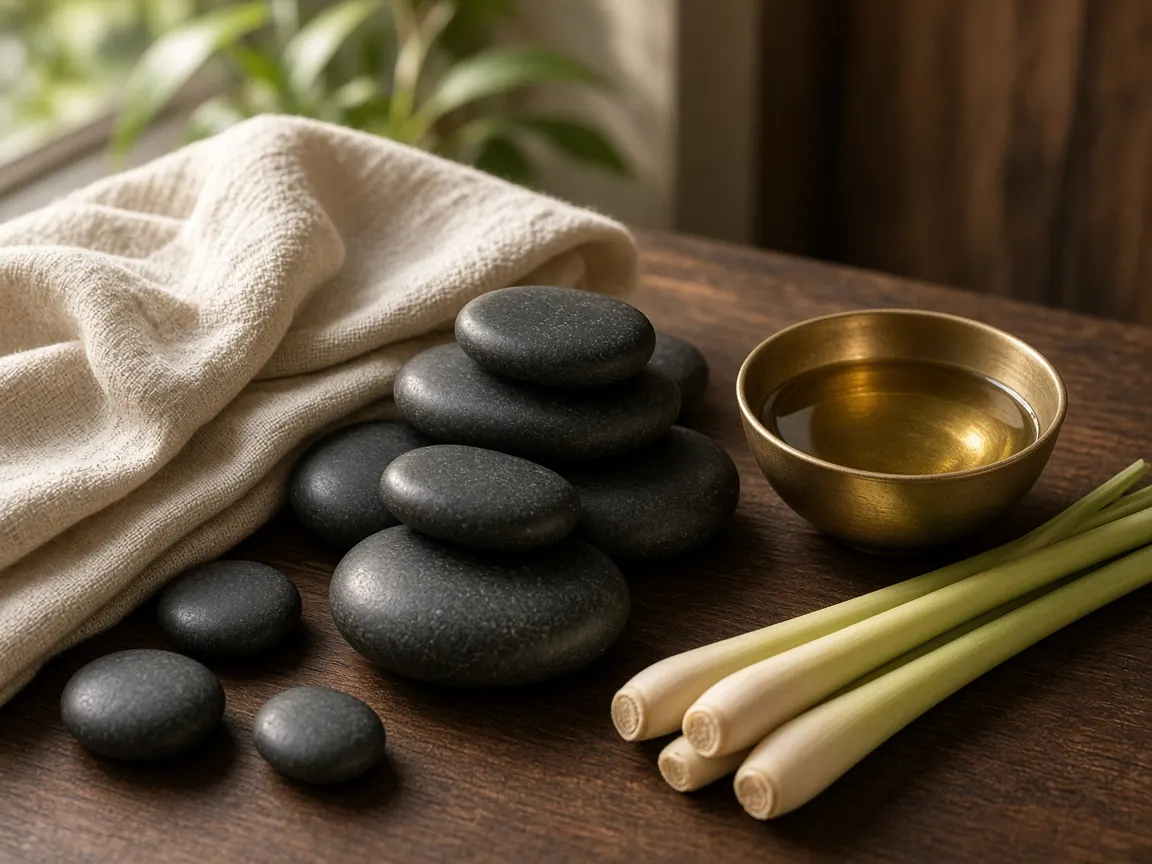
- Heat and touch. A herbal steam and a Thai massage do not remove toxins, but they calm the nervous system and make the week feel like care rather than punishment.
- Space. Fewer screens, fewer plans, more quiet.
A sample day
- 7:00 Wake with daylight; warm water with lime.
- 7:30 Walk or gentle yoga.
- 9:30 Breakfast: fruit, eggs or rice soup with ginger.
- 11:00 Rest, read, swim.
- 13:00 Lunch: grilled fish, vegetables, a clear Thai soup.
- 16:00 Herbal steam and massage.
- 18:00 Light dinner, then the overnight fast begins.
- 21:30 Lights out.
What to eat in Thailand for a gentle reset
Thai food can be one of the healthiest cuisines in the world, or one of the sweetest, depending on what you order. A few principles help you enjoy it fully:
- Choose clear soups over creamy curries most days. Tom yum and gaeng jued (a mild clear soup) are full of herbs and light on fat.
- Favour grilled and steamed dishes: grilled fish, chicken or pork, steamed fish with lime and chilli, stir-fried morning glory or other greens.
- Ask for less sugar. Wan noi means "a little sweet". Many sauces, salads and drinks contain more sugar than visitors expect.
- Enjoy fresh fruit, from mango and papaya to mangosteen and rambutan in season.
- Eat herbs freely: basil, coriander, mint, lemongrass and galangal bring flavour without heaviness.
- Go easy on deep-fried snacks and sweet drinks, even the irresistible ones.
How you will feel, day by day
People who stop drinking, sleep more and eat simply often describe a similar pattern. The first day or two can feel flat, especially if you usually drink coffee or alcohol daily; headaches and tiredness are common as routines change. Around the middle of the week, most people notice they are sleeping better and waking more easily. By the end, many describe feeling clearer and calmer. None of this requires a special product. It is what happens when you give your body less to manage and more of what it needs.
After you go home
The most valuable part of any reset is what you keep. Choose one or two habits that felt best, perhaps alcohol-free weekdays, an earlier dinner or a morning walk, and protect them for the first month back. Small habits kept consistently do more than any single dramatic week.
Questions to ask any detox retreat
- Who designed and supervises the programme, and what are their qualifications?
- Is there a health screening before you start?
- What exactly will I eat each day?
- Do you offer colonics or water-only fasting, and under what supervision?
- Can I adapt the programme if I feel unwell?
Your own reset, your own pace
The most useful detox does not happen in a bottle. It happens when you remove the things that weigh on you and add the things that restore you, consistently, for long enough to feel the difference.
A private wellness stay in Bangkok gives you a quiet base to do exactly that, with a verified therapist who comes to you. Seven unhurried days can be enough to remind you how good "normal" can feel.