 Luxury Wellness Thailand
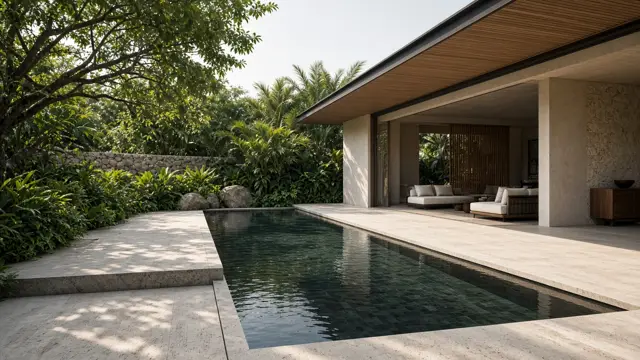
You have decided this trip is about feeling better. Then you start searching and the words blur together: health retreat, wellness resort, detox camp, spa hotel, longevity clinic. The photographs all look the same, white linen, an infinity pool, someone in a robe holding tea.
But the experiences behind those words are very different, and choosing the wrong one is the most common reason a wellness trip disappoints. This guide helps you choose with confidence.
A booming industry, and a confusing one
Wellness travel has grown into one of the largest parts of tourism. The Global Wellness Institute's Global Wellness Economy Monitor 2024 estimates that wellness tourism spending reached about US$830 billion in 2023, and that international wellness travellers spent on average about a third more per trip than typical international tourists.
With so much demand, almost every hotel now calls itself a wellness destination. That is why understanding the categories matters.
The health retreat: a programme with a purpose
A health retreat is built around a structured programme. You arrive with a goal, such as better sleep, weight management, stress recovery or fitness, and the retreat designs your days around it.
What to expect:
- An assessment on arrival, sometimes by a doctor, nurse, nutritionist or trainer.
- A fixed daily schedule of activities, treatments and meals.
- Set menus, sometimes with restrictions such as no alcohol or caffeine.
- A minimum stay, often several days to several weeks.
Who it suits: people who want guidance and accountability, who find it hard to change habits alone, and who are happy to hand over decisions for a while.
The risk: quality varies widely. Some programmes are led by qualified professionals; others mix good basics with unsupported treatments. Read our considered guide to detox before booking anything that promises to flush out toxins.
The wellness resort: beautiful facilities, your choice
A wellness resort is a hotel with exceptional wellness facilities: a spa, pools, gym, classes, perhaps a healthy menu. You use them as much or as little as you like.
What to expect:
- No assessment and no fixed schedule.
- An à la carte spa menu and optional classes.
- Normal restaurants and bars alongside healthier options.
Who it suits: couples or friends with different priorities, people who want rest without rules, and anyone who values flexibility.
The risk: without structure, many guests end up doing the same things they do on any holiday, staying up late, drinking, and leaving tired.
The third option: a private wellness stay
There is a quieter alternative that many experienced travellers prefer: a private residence or villa as your base, with wellness experiences arranged around you.
You get the privacy and space of a home, a kitchen if you want to eat simply, and the freedom to design your days. A verified therapist comes to you for Thai massage. You choose your own movement, from a Muay Thai session to a morning walk in the park. It is the model our curated Bangkok stays are built for.
Who it suits: travellers who want privacy, are self-directed, and know roughly what makes them feel good.
Five questions that reveal quality
Whichever you choose, these questions quickly separate genuine wellness from marketing.
1. Who are the practitioners, and what are their credentials? Ask specifically. For Thai massage, a recognised course is generally at least 150 hours, and the most qualified therapists hold a Thai Traditional Medicine licence.
2. What will my days actually look like? Ask for a sample schedule. Vague answers ("a journey of transformation") are a warning sign.
3. How do you protect sleep? Room darkness, quiet and cool temperatures matter enormously. Adults need seven or more hours a night, according to the American Academy of Sleep Medicine and Sleep Research Society. See our sleep guide.
4. How much do I move each day? The WHO recommends 150 to 300 minutes of moderate activity a week. A good programme or resort makes that easy and enjoyable.
5. What claims do you make? Be cautious of promises to cure disease, remove toxins or reverse ageing. Good operators talk about how you will feel and what you will learn, not miracles.
A simple way to decide
Ask yourself one question: do I want to be guided, or do I want to be free?
- If you want guidance, rules and a clear goal, choose a health retreat and research its practitioners carefully.
- If you want comfort, beautiful facilities and no obligations, choose a wellness resort, and set yourself a few gentle intentions so the week does not drift.
- If you want privacy and a stay shaped around you, choose a private wellness residence and let a concierge arrange the details.
Red flags worth noticing
Some signs suggest a place is selling the look of wellness rather than the substance:
- No names. You cannot find out who the practitioners are or where they trained.
- Medical claims without medical staff. Promises to treat conditions, with nobody qualified on site.
- Every treatment is "detoxifying". It is a word that often hides a lack of evidence.
- A packed schedule with no rest. Rest is the point. A programme that leaves no quiet hours is designed for photographs, not recovery.
- No screening for intense treatments. Long fasts, strong heat or deep-tissue work should begin with questions about your health.
- Pressure to upgrade. Good operators recommend; they do not upsell on arrival.
How long should you stay?
There is no magic number, but there is a practical one. If you have flown a long way east, your body clock needs several days to settle, and the first nights are often the hardest. A short stay can still be restorative if you protect your sleep and keep your plans light. If your goal is to build a new habit, such as regular movement or alcohol-free evenings, a longer stay gives you time to experience how it feels once the novelty has passed. Many guests find a wellness weekend is the perfect way to test what suits them before committing to a longer trip.
What every good choice has in common
Whatever the label, the trips that leave people genuinely changed share the same foundations: deep sleep, daily movement, nourishing food, less alcohol, skilled touch, time outdoors and real quiet. A beautiful setting helps, but it is these simple things, done consistently, that do the work.
When you are ready, explore our wellness stays in Bangkok. Each one is chosen against our published Curation Standard, so you know what you are booking before you arrive.